The Leading Repair Shop in Modesto for Fixing an Audi’s Digital Dashboard Failure

Audi’s digital dashboard is a state-of-the-art system that offers a variety of features and benefits for drivers. The digital dashboard display is located in the center of the Audi driver’s cockpit, providing important information at a glance.

The digital dashboard includes a variety of screens that can be customized to display different types of information, such as navigation, audio and vehicle settings. The digital dashboard also features a head-up display that projects key information, such as speed and navigation directions, onto the windshield.

Additionally, the digital dashboard includes a night vision camera that helps drivers see in low-light conditions. With its many features and benefits, Audi’s digital dashboard enhances the driving experience and helps drivers stay informed and connected while on the road. When something goes wrong with it, it can cause the driver a lot of problems. Let’s take a closer look at the signs something is going wrong with your Audi’s digital dashboard as well as how to deal with it.

Warning Signs of a Potential Problem

Audi’s digital dashboards have come under fire in recent years for a number of reasons. One is that they can fail entirely, leaving drivers without any information about their speed, fuel level, or engine temperature. Another problem is that displays can be difficult to read in direct sunlight. This can be especially hazardous for drivers who rely on the digital dashboard to monitor their speed.

Additionally, the digital displays can sometimes freeze or malfunction, making it difficult or even impossible for drivers to see critical information. Some Audi models have been found to unexpectedly reboot the digital dashboard while the car is in motion, which can be extremely distracting for drivers.

Other problems include:

  • Failure to power on: This prevents the driver from accessing critical information.
  • Frozen display: The digital dashboard may freeze or become unresponsive, making it difficult to navigate.
  • Inaccurate Readings: The digital dashboard may display inaccuracies, such as incorrect speed or fuel level readings.
  • Drain on the Battery: The digital dashboard may consume too much power, draining the battery and affecting vehicle performance.

While these problems are certainly cause for concern, it’s important to remember that Audi is not the only automaker to experience issues with digital dashboards. In fact, similar problems have been reported with cars from a variety of different manufacturers. As such, it’s likely that these issues will eventually be resolved as automakers continue to refine their digital dashboard technology.

Get to the Root of the Problem

Audi’s digital dashboards are relatively new, and as with any new technology, there can be issues that cause them to fail. Here are four reasons why an Audi digital dashboard might fail:

  • Software glitches can cause the digital dashboard to freeze or malfunction. It’s important to keep your Audi updated, as this can help your car function at its peak performance.
  • The digital dashboard may not be compatible with aftermarket accessories or modifications. This is why it is important to talk with certified Audi specialists before augmenting your car.
  • Physical damage to the digital dashboard or its components can cause it to fail. If you had a spill of beverages or even a minor collision where the dashboard is damaged, it can fail to display properly.
  • Environmental conditions, such as extreme cold or heat, can affect the digital dashboard’s performance. The weather always affects different components in cars in some way, be it with extreme heat or frigid temperatures. If you can park your Audi in a garage to help protect it from the harsh elements, it can go a long way to keeping your digital dashboard from failing.

If you’re experiencing problems with your Audi digital dashboard, it’s best to take it to a certified Audi dealer or service center for diagnosis and repair. Trying to fix the problem yourself could void your warranty or cause further damage.

Audi Software Update

Kruse Lucas Imports

Our highly qualified technicians have years of experience helping Modesto vehicle owners maintain and restore the functionality of their cars. Kruse Lucas Imports in Modesto is the ideal replacement for dealership quality service or repairs for your Audi’s needs. If you live in or around Manteca, Oakdale, Ripon, Turlock, or Modesto, CA, stop in to see us today!

* Audi Car image credit goes to: Vesela Boycheva.

Reasons for an ABS Accumulator Failure in a Jaguar

The Jaguar brake system consists of several key components, including the Jaguar ABS accumulator, brake pads, brake discs, and brake fluid. The Jaguar ABS accumulator is a key component of the Jaguar brake system that helps to ensure optimal braking performance in all conditions. The Jaguar ABS accumulator stores energy that is generated during braking and released when the brakes are applied. This energy is used to help keep the brakes cool and reduce wear on the brake pads and discs.

The Jaguar brake system also includes a number of sensors that help to monitor the status of the brakes and provide feedback to the driver. These sensors help to ensure that the Jaguar brake system is operating correctly and can provide early warning of any potential problems. As you can see, the Jaguar’s ABS accumulator is an essential safety feature that helps to keep drivers and passengers safe on the road, so if it fails, it can be a major problem.

Warning Signs of a Problem

If the accumulator fails, the Jaguar will lose the ability to generate enough pressure to keep the brakes functioning properly.

  • As a result, the driver may experience extended stopping distances and reduced braking power.
  • Also, the pedal may feel spongy or soft when you depress it, which can indicate that there is a problem with the accumulator.
  • Another warning sign is a change in the braking performance of the Jaguar.

If you notice that your Jaguar is taking longer to stop than usual, or that the brakes are not working as effectively as they once did, then this could be another sign that the ABS accumulator is failing. If you experience either of these warning signs, it is important to take your Jaguar to a qualified mechanic or technician for diagnosis and repair.

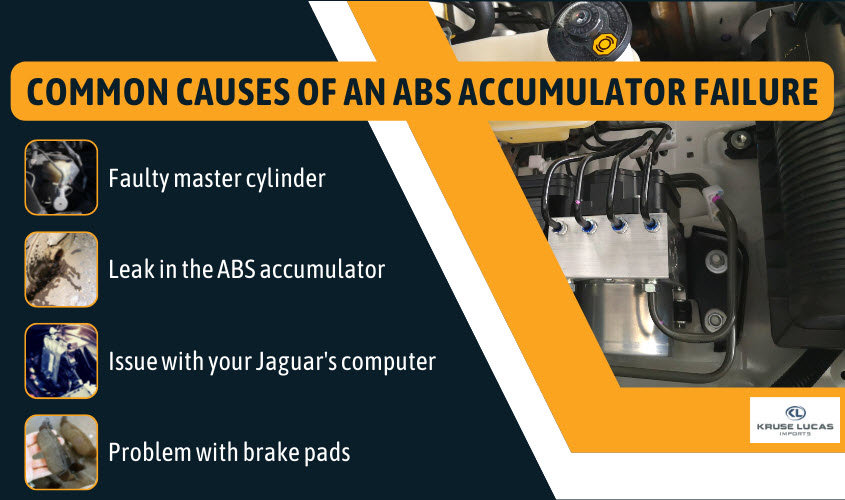
Common Causes of an ABS Accumulator Failure

Common Causes of Jaguar ABS Accumulator Failure

One potential cause of an ABS accumulator failure in a Jaguar is a faulty master cylinder. The master cylinder supplies brake fluid to the ABS system, and if it is not functioning properly, the system can fail.

Another possible cause is a leak in the ABS accumulator itself. This can occur if the seals around the accumulator are damaged or if the accumulator is damaged. If either of these two problems occurs, it is important to have the Jaguar serviced as soon as possible to prevent further damage to the system.

Also, a potential problem with an ABS accumulator failure in a Jaguar is an issue with the Jaguar’s computer. The computer controls the operation of the Jaguar’s brakes, and if it is not functioning properly, it can cause an ABS accumulator failure.

Finally, there may be a problem with your brake pads. If the brake pads are worn out or damaged, they can cause an ABS accumulator failure.

If any of these potential causes of an ABS accumulator failure in a Jaguar are present, it is important to have the Jaguar serviced as soon as possible to prevent further damage to the system and to keep you safe.

Our mechanics are highly trained in Jaguar systems, and particularly brake repairs. We can quickly resolve the problem. First, our mechanic will remove the failed ABS accumulator and replace it with a new one. Then, they will bleed the brakes to remove any air from the system. Finally, our mechanic will test drive the Jaguar to ensure that the brakes are working properly. With our mechanic’s expert Jaguar brake repair, you can be confident that your vehicle will be back on the road quickly and affordably.

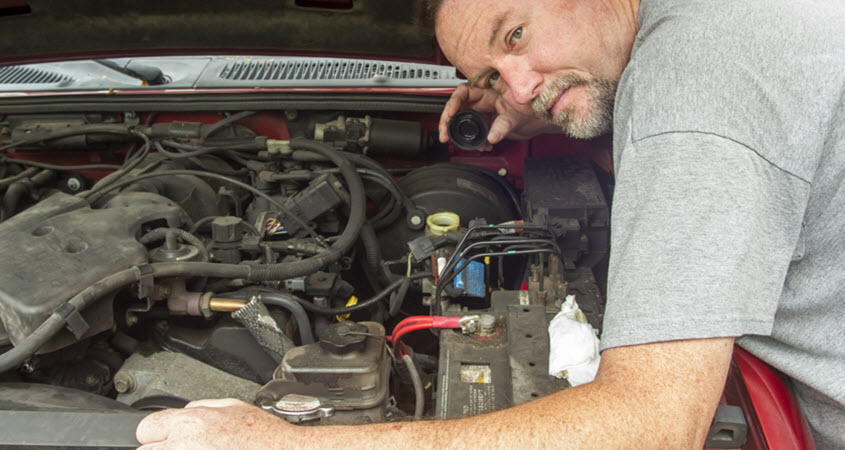
Jaguar Master Cylinder Inspection

Kruse Lucas Imports

Kruse Lucas Imports is a European auto repair shop that has served the Modesto, CA community for many years. We have been in operation since 1983 and we have been proud to maintain our reputation for always delivering quality service to our customers in and around Manteca, Oakdale, Ripon, Turlock, Modesto, CA.

We ensure that our services are offered at an affordable price, without long wait periods, and with the type of customer service you deserve. Whether you want routine inspections or major repairs, our friendly staff is here to help. We strive to exceed expectations and provide amazing service. Please contact or visit our shop as soon as possible to learn more or to schedule your next appointment.

Why Maintaining Your BMW’s AC System is Crucial in Modesto

Your BMW air conditioning unit provides a pleasant atmosphere within your BMW’s cabin. The unit has a lengthy lifespan but requires the replacement of the refrigerant every two years, provided there is no leakage. Hence, it needs regular maintenance to keep it in excellent working condition.

Contrary to popular beliefs, your BMW air conditioner does not generate cold air. Instead, it converts hot air to cold air. It does this by either altering the cabin air or bringing it in from outside. Keep reading as we discuss how your BMW air conditioning unit works and the symptoms indicative of its failure.

How does a BMW’s air conditioner work?

The system uses a compressor to increase the pressure of a refrigerant to lower its volume. When the pressure rises, the temperature rises with it. This hot air is now sent to the condenser, where it loses temperature while maintaining the same pressure when the air passes through it.

As a result, the air becomes a liquid. The liquid is now sent through a drier, which separates the liquid from any residual air. The liquid then passes through a thermal expansion valve, which converts your hot, high-pressure liquid to a cool, low-pressure form of air. The cold air is now forced to flow through an evaporator.

The evaporator then passes hot air from outside your cabin. The hot air loses its heat when it comes into touch with the cold air, and you get cold, pleasant air that has been conditioned and blown through your vents. The cold air from the evaporator then returns to the compressor, recreating the cycle to keep you comfortable.

The Importance of Maintaining Your BMW’s Air Conditioning System

The smooth running of your BMW air conditioner hinges on how well you maintain it. Besides providing a safe driving environment, it also helps clear up condensation or humidity that may build up on the windows during the winter or cold weather.

Discussed below are symptoms of a broken air conditioning unit:

  • Odd compressor noise: The compressor is driven by a belt that runs off the engine crankshaft. It is responsible for generating power and directs airflow through the vents. The compressor comprises several internal, including ball bearings and coils. The failure of any of these components could cause a squeaking or grinding noise, explaining the unusual noise from the compressor’s operation.
  • Hot air from the vents: The failure of any of the components that make up the unit will ultimately cause it to fail. Oftentimes, the issue may result from a broken condenser or faulty compressor, which affects the effective cooling of the air extracted from the vehicle cabin.
  • Failed air conditioner condenser fan: The system’s condenser fan keeps the condenser cool for the efficient operation of the air conditioner. You’ll notice straight away if the fan fails because it affects cool air circulation. Aside from the release of warm air from the vent, you may also notice a burning smell and overheating.
  • Leaky Air Conditioner: The probability of you noticing this symptom is very slim, but the possibility still exists. A refrigerant circulates through the system to transfer the heat as it changes from the liquid to gas state. A compromise in the unit would leave room for the refrigerant to escape from the system. The compromise could be a failed O-ring or other seals, resulting in a hissing sound.

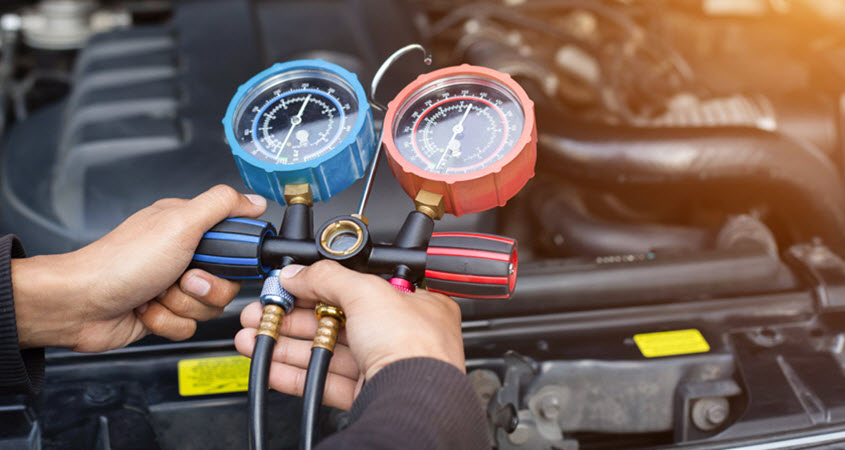
BMW Air Conditioning System Maintenance

Kruse Lucas Imports for all Your BMW Maintenance and Repairs

If your BMW air conditioning unit isn’t effective as it used to be, and you live in Modesto, CA, bring it to us at Kruse Lucas Imports. We are equipped with the latest factory tools and provide high-quality BMW repair and maintenance for all our customers!

At Kruse Lucas Imports, we only employ expert and certified technicians who have built a reputation for providing dependable, high-quality services for European vehicles. If you reside in the surrounding areas of Manteca, Oakdale, Ripon, or Turlock, please call or visit our shop today! We look forward to earning your repeat business for all your future BMW needs and services.

5 Warning Signs of Suspension System Problems in Your Volvo

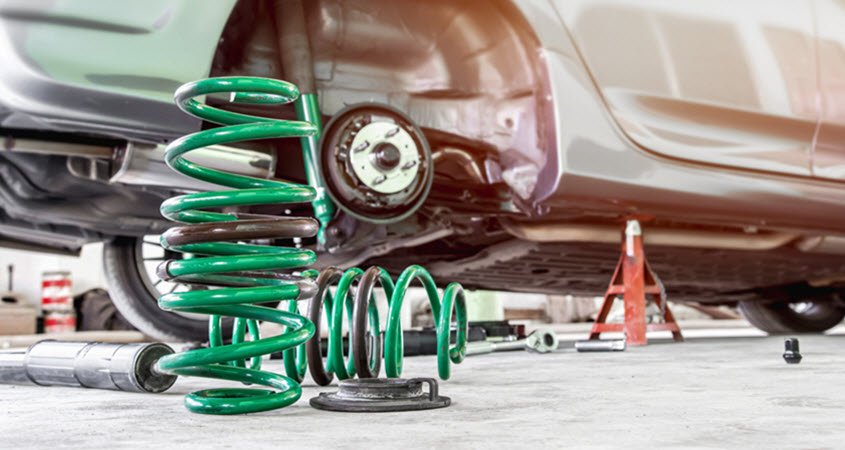
One of the most important systems in your car is the suspension system. The suspension helps to absorb shocks from the road and keep your ride smooth. Over time, however, the suspension system can wear down, causing a number of problems. If you’re a Volvo owner, it’s important to be aware of the warning signs that your suspension system may need some attention. In this blog post, we’ll go over 5 of the most common signs that there may be a problem with your suspension. Keep an eye out for these issues and be sure to have your car checked by a professional if you notice any of them.

Uneven or Premature Tire Wear

One of the most common signs that there may be a problem with your suspension system is uneven or premature tire wear. If you notice that your tires are wearing down unevenly or more quickly than usual, it’s a good idea to have your car checked out.

There are a few different reasons why this may be happening, but it’s likely due to an issue with your shocks or struts. Worn out shocks or struts can cause your tires to lose contact with the road surface, which can lead to premature wear.

Unusual Noises

Another common sign that there may be a problem with your suspension system is unusual noise when driving. If you hear creaking, popping, or rattling sounds coming from your car, it’s a good idea to have it checked out. These sounds are likely due to an issue with your shocks or struts. Worn out shocks or struts can cause the metal components to rub together, which can create the aforementioned noises.

A “Bouncy” Ride Quality

Volvo is committed to providing a smooth ride for all our drivers. That’s why we design our vehicles with a well-functioning suspension system. However, over time, even the best suspension system can start to show wear and tear. If you notice that your Volvo is bouncing more than usual, it’s time to get your suspension checked. If you think there may be a problem with your Volvo’s suspension, reach out to a trusted mechanic as soon as possible.

Excessive Body Roll When Turning

Excessive body roll when cornering is a common issue that can be caused by a number of different factors. In most cases, it is caused by worn or damaged suspension components. This can cause the car to feel unstable and make it difficult to control when taking sharp turns.

Difficulty Steering

If you find that it’s hard to turn the wheel or that your car seems to pull to one side, this can be a sign of suspension problems. The suspension system is responsible for keeping your tires in contact with the road, so if it’s not working properly, you may have difficulty steering. Difficulty steering can be dangerous when driving, so this should be seen to quickly when these symptoms appear.

How to Prevent Suspension Damage in a Volvo

There are a few things you can do to help prevent suspension issues in your Volvo. First, make sure to have the suspension system inspected regularly by a professional. This will allow them to catch any problems early and prevent them from becoming worse. Second, avoid driving over rough terrain or potholes whenever possible. If you do have to drive over these things, go slowly and be careful.

Finally, make sure to keep an eye on your tires. Worn or damaged tires can cause suspension problems, so it’s important to replace them as soon as they start showing signs of wear. By following these tips, you can help keep your Volvo’s suspension system in good shape and avoid potential problems down the road.

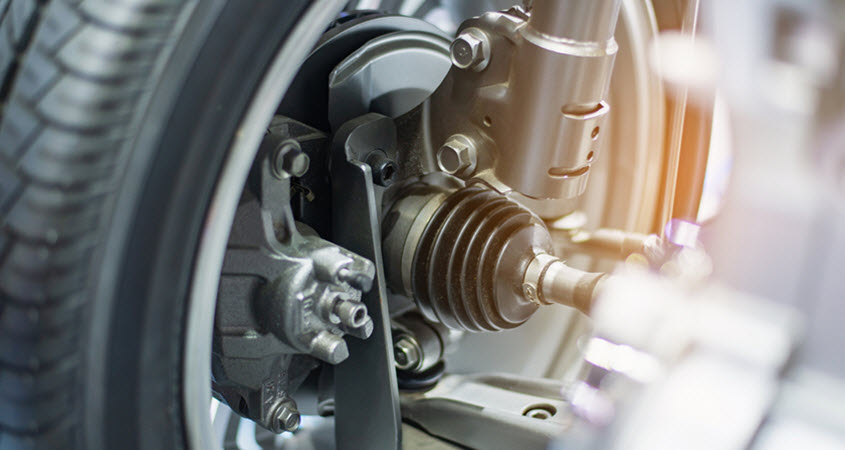
Volvo Suspension Repair

Trust Kruse Lucas Imports with Your Volvo

At Kruse Lucas Imports, we understand that your car is a big investment. That’s why we’re committed to providing the highest quality service, no matter what the issue may be. Whether you need emergency suspension repair or routine maintenance, our team of Volvo-certified technicians is always here to help.

We’re proud to serve drivers from Manteca, Oakdale, Ripon, and Turlock, and we’re dedicated to providing the best possible service. Contact us today to schedule an appointment.

Why It’s Important to Get Quality Brake Service for Your Land Rover

Your Land Rover’s brake system must always be in excellent condition because, unlike other vehicle components, any sudden failure is usually catastrophic. Whenever you intend to regulate your speed or come to a total halt, you need your brakes to function on demand every time. Hence, the brake system is an integral component, and you must ensure that any service or repairs are done with precision and accuracy.

The brake system consists of the brake pads, caliper, and rotor. Newer Land Rover models also have an autonomous emergency brake as a driver assist device that kicks in during an imminent risk of collision to help reduce the severity of the impact.

How does the Land Rover brake system work?

Unlike some other vehicle manufacturers that still employ drum brakes for the rear wheels, Land Rover uses disc brakes on all wheels. Disc brakes have evolved and are widely utilized because they have fewer moving parts, longer lifespan, cool off quickly, and easy access for maintenance or repairs.

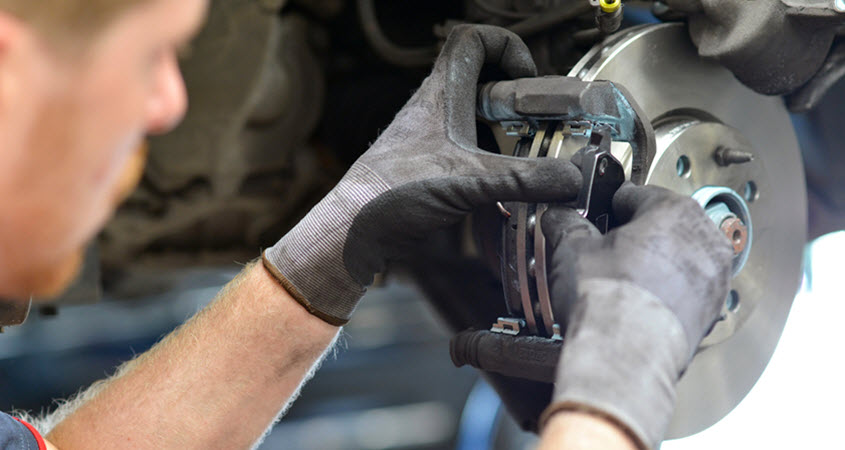
So, how does a disc brake work? When the driver presses the brake pedal, hydraulic pressure from the master cylinder causes the brake caliper to force the discs on the moving rotor. The contact between the brake pads and rotor causes friction, which reduces the speed of the moving wheels.

Give Your Land Rover Quality Brake Service

Considering the speed most vehicles travel and the catastrophe that could occur if the brake fails, it must always be responsive. Hence, you must be very intentional about the quality of the service the brake gets to ensure it doesn’t fail unexpectedly.

Discussed below are the following reasons why you must provide your brake system with top of the line service:

Brake pads

Land Rover brake pads have an estimated lifespan of 30,000 to 70,000 miles. The longevity of the pads is dependent on driving habits, driving conditions, and the material composition of the pads. Compared to other components in the brake assembly, the brake pads wear down the fastest due to the constant pressure they are constantly subjected to.

The brake pads play a critical role in bringing the vehicle to a halt, and their replacement must be error-free. Besides ensuring that the replacement pads are of the best quality, the technician must also examine the condition of the brake assembly to verify it is in good condition. Installing a new brake pad on a defective brake system could cause premature wear of the pads and result in unresponsive brakes.

Brake rotor

The brake rotor provides the surface that the pads contact to create friction. Although the brake rotor has a longer lifespan than the pads, they may become unevenly worn or damaged and would need replacement. You may often notice screeching after new pad installation, a vibrating and pulsating brake pedal, or intermittent braking noise. Since the brake provides the surface on which the pads grind, it needs to be in pristine condition to generate enough friction required to bring the vehicle to a halt, otherwise, you may experience longer braking distance.

Brake caliper

Regardless of its lengthy lifespan, the caliper starts to wear down from repeated heat-up and cool-down cycles, leaving room for the formation of corrosion inside and outside the brake caliper. Consequently, the corrosion causes abrasive wear on the piston seal, leading to the piston’s seizure and uneven brake pad wear.

The brake assembly needs quality service and repairs to keep it running and in the best condition. Entrusting the job to a reliable technician means the replacement is error-free and, in most cases, promptly detected before it causes damage to other components in the brake assembly.

Land Rover Quality Brake Service

Kruse Lucas Imports for Your Land Rover Brake Service and Repairs

At Kruse Lucas Import, we understand that brake repair or service requires precision and should be accurate on the first attempt as there is no room for error. Our ASE-certified mechanics have the latest factory tools and extensive experience with all European vehicles.

No matter how big or small the issue, we want you to know that your car is assured of the highest quality service when you visit our shop. We are located in Modesto, CA, and welcome drivers from Manteca, Oakdale, Ripon, and Turlock. Whether it is an emergency brake repair or maintenance, our team is always here to help!

When Should You Change the Engine Oil of Your Audi in Modesto?

Engine oil is as essential to a vehicle as the blood is to the human body. Besides lubricating moving parts and reducing engine friction, the engine oil also helps cool down the engine. Since the engine oil is constantly in circulation for the adequate lubrication of the engine, it wears down over time and would need to be replaced.

Your oil change interval depends on the type of oil your engine uses. Ideally, most manufacturers recommend an oil change interval of 5,000 to 7,500 miles, but full-synthetic engine oil could run as far as 15,000 miles before needing service. Keep reading as we discuss symptoms of worn engine oil.

Symptoms of Worn Engine Oil

Running your Audi engine on worn engine oil impacts your vehicle performance and if ignored for long, could cause irreparable engine damage. The good news is that there are easy telltale signs that alert the driver when your engine is due for an oil change. Knowing the symptoms to look out for could help prevent sudden or permanent engine damage.

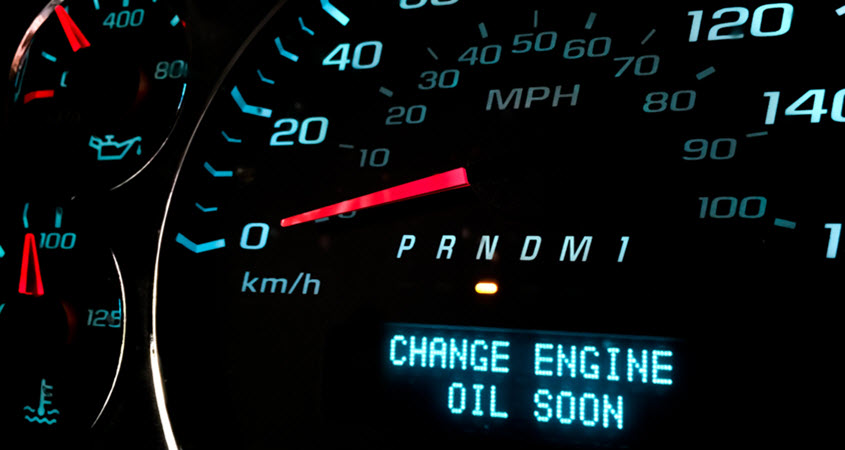
  • Illuminated oil change light: The dashboard of your Audi houses several warning lights. One of such lights is the oil change lights. This light automatically comes up after specific mileage points as set by the manufacturer as a reminder to change the oil. The light is then reset after each service.
  • Dirty oil: A fresh oil has an amber color and is slightly translucent. The constant use of the oil for the engine’s lubrication makes it wear down and gather contaminants, resulting in a darker-looking oil. When you check your engine oil levels and notice that it is dark, it is a good indicator that your engine is due for an oil change.
  • Engine noise: The engine oil functions to lubricate engine moving components to reduce engine friction. Thus, a properly lubricated engine operates smoothly. On the contrary, old or contaminated oil has less lubricity, resulting in the engine components grinding against themselves and leading to loud engine operation. The metal-to-metal contact of the engine’s internal components may produce a light tapping or knocking sound. It is best to attend to this symptom expediently to prevent total engine damage.
  • Reduced engine performance: When the oil gets old, it gathers contaminants that reduce its effectiveness. Besides reduced effectiveness, the contaminants also clog the oil filter, reducing the engine’s oil flow and adequate lubrication. When the engine is not properly lubricated, it affects its overall performance.
  • Overheating: Running on old or low engine oil impacts the capacity of the oil to adequately lubricate the engine and prevent the engine components from heating up. Although overheating is usually due to an issue with the engine cooling system, a worn or low engine oil could also trigger it.

Whenever you notice any of the following symptoms, you should go in for an oil change before your engine experiences irreparable damage.

Causes of Worn Engine Oil

Having the engine oil wear down after an extended period of use is not unusual. The constant circulation of the oil through the engine causes it to wear down and gather contaminants which affect its potency. However, the engine’s condition could accelerate the wear down of the oil.

As you might imagine, an old engine will burn more oil due to worn valve guides, worn cylinder walls, and stuck rings, resulting in the production of by-products that contaminate the oil. Regardless, Audi recommends changing out the car’s engine oil at least once a year or every 10,000 miles driven, whichever comes first.

Audi Engine Oil Change

Carry Out Your Engine Maintenance at Kruse Lucas Imports

At Kruse Lucas Imports, we recognize the importance of quality maintenance and repairs, which is why we only employ qualified technicians. We are equipped with the latest factory tool and years of experience working on European vehicles, including your Audi, Jaguar, Maserati, Porsche, Volvo, BMW, Land Rover, Mercedes, and Volkswagen.

We are located in Modesto, CA, and also provide drivers in Manteca, Oakdale, Ripon, and Turlock with top-notch services. If your Audi is due for routine maintenance or requires repairs, do not hesitate to call or visit our shop to get quality service. We look forward to winning your repeat business.

Call Now!